
Table of Contents
Los formuladores y los responsables de adquisiciones de las industrias alimentaria, de bebidas y nutracéutica se enfrentan con frecuencia a una decisión recurrente: ¿qué ingrediente carbohidrato sirve mejor a una aplicación de producto concreta? La dextrosa orgánica en polvo, la maltodextrina y el jarabe de glucosa ocupan cada uno nichos funcionales distintos; sin embargo, sus propiedades superpuestas — solubilidad en agua, base de carbohidratos y disponibilidad de certificación orgánica — pueden hacer que la selección no sea nada sencilla.
Elegir incorrectamente conlleva consecuencias medibles. Una bebida deportiva formulada con jarabe de glucosa de alto DE en lugar de dextrosa puede aportar energía demasiado lentamente para aplicaciones de recuperación tras sprints. Un prototipo de producto horneado que depende de la maltodextrina para el volumen sin un ajuste compensatorio de dulzor puede quedar flojo en los paneles sensoriales. En el lado de la adquisición, fijar una cadena de suministro basada en maíz de una sola fuente sin evaluar alternativas de tapioca o arroz expone la operación a restricciones de etiquetado por alérgenos y a la volatilidad de precios.
Esta guía proporciona un marco sistemático para comparar estos tres carbohidratos según sus propiedades químicas, rendimiento funcional, idoneidad para la aplicación y consideraciones de la cadena de suministro. El objetivo es dotar a los formuladores de un proceso de decisión repetible y a los equipos de adquisición de una lista de verificación de evaluación concreta, lo que reduce las iteraciones de prueba, acorta el tiempo hasta el lanzamiento al mercado y controla los costes de los ingredientes.
El continuo químico: valores DE y diferencias estructurales
La dextrosa, la maltodextrina y el jarabe de glucosa no son clases químicamente distintas. Existen en un único continuo definido por la equivalencia de dextrosa (DE), que mide el porcentaje de azúcares reductores respecto a un estándar de glucosa pura (DE 100). El DE se correlaciona de forma inversa con el peso molecular medio y directa con el dulzor, la solubilidad y la presión osmótica.
Dextrosa en polvo (DE 95–100): Es esencialmente glucosa D pura (forma monohidratada o anhidra). Cada molécula tiene un peso molecular de aproximadamente 180 Da. El alto grado de cristalinidad confiere a la dextrosa su comportamiento característico de polvo de flujo libre y una percepción de dulzor nítida y limpia. En su forma orgánica, la dextrosa se produce mediante hidrólisis enzimática de fuentes de almidón certificadas como orgánicas — normalmente maíz o tapioca — seguida de cristalización y purificación.
Maltodextrina (DE 3–20): Es un producto de almidón hidrolizado que contiene polímeros de glucosa de cadena corta. El peso molecular medio oscila entre aproximadamente 2.000 y 20.000 Da según el grado de DE específico. La estructura amorfa y no cristalina de las partículas de maltodextrina contribuye a una excelente solubilidad, bajo dulzor y alta densidad de volumen. La maltodextrina orgánica de DE 10–12 es el grado más especificado en la industria alimentaria.
Jarabe de glucosa (DE 28–95): Es un líquido viscoso compuesto por glucosa, maltosa y oligómeros de sacáridos superiores. El DE específico determina si el jarabe se comporta más como un sustituto del azúcar de alto dulzor (DE alto) o como un agente de cuerpo y humectante de bajo dulzor (DE bajo). Los jarabes de glucosa orgánicos suelen estar disponibles en variantes DE 42 y DE 63.
Tabla de comparación estructural
| Propiedad | Dextrosa en polvo | Maltodextrina (DE 10–12) | Jarabe de glucosa (DE 42) |
|---|---|---|---|
| Rango de DE | 95–100 | 3–20 | 28–95 |
| Sacárido principal | D-Glucosa | Oligómeros de glucosa (3–20 unidades) | Glucosa + maltosa + oligómeros |
| Peso molecular | ~180 Da | 2.000–20.000 Da | 300–1.000 Da (varía según DE) |
| Estado físico | Polvo cristalino | Polvo amorfo | Líquido viscoso |
| Índice glucémico | 100–106 | 85–105 | 60–95 (depende del DE) |
| Dulzor (% de la sacarosa) | 70–80 | 5–20 | 20–80 |
Comprender este espectro de DE es la base de cada decisión posterior que se analiza en las secciones siguientes.
Comparación del rendimiento funcional
La selección de un carbohidrato se reduce en última instancia a igualar los requisitos funcionales con las capacidades del ingrediente. La siguiente comparación en cinco dimensiones aísla las diferencias de rendimiento que más importan en el desarrollo de productos.
1. Entrega de energía y respuesta glucémica
La dextrosa en polvo, con un índice glucémico de 100–106, proporciona el aumento de glucosa más rápido disponible entre los ingredientes carbohidrato comunes. La glucosa en sangre alcanza su pico entre 15 y 30 minutos tras la ingesta. Esto convierte a la dextrosa en la opción preferida para formulaciones de rehidratación clínica, geles de energía intra-entrenamiento y cualquier aplicación donde la reposición rápida de glucógeno sea el objetivo principal.
La maltodextrina, a pesar de su menor dulzor aparente, produce una respuesta glucémica comparable a la de la dextrosa (IG 85–105) debido a la rápida escisión enzimática de sus polímeros de cadena corta. La diferencia práctica es de osmolaridad: las soluciones de maltodextrina a concentraciones calóricas equivalentes tienen una presión osmótica menor que las de dextrosa, lo que reduce el riesgo de malestar gastrointestinal a concentraciones de carbohidratos más altas. Esta es la razón por la que los formuladores de bebidas de resistencia favorecen con frecuencia la maltodextrina sobre la dextrosa en concentraciones superiores al 8–10 % p/v.
La respuesta glucémica del jarabe de glucosa depende en gran medida del DE. Los jarabes de DE alto (DE 63+) se acercan a la cinética de absorción propia de la dextrosa. Los jarabes de DE bajo (DE 28–42) aportan glucosa de forma más gradual, lo que los hace adecuados para aplicaciones de energía sostenida y productos donde una carga glucémica moderada es deseable.
2. Rendimiento del dulzor
La dextrosa aporta aproximadamente un 70–80 % de la intensidad de dulzor de la sacarosa, con un inicio limpio e inmediato y sin sabor residual persistente. Es el edulcorante más potente de los tres y se utiliza con frecuencia como sustituto directo de la sacarosa cuando se requiere simplificación de la etiqueta o cumplimiento orgánico.
El dulzor de la maltodextrina oscila entre aproximadamente el 20 % de la sacarosa a DE 20 y solo el 5–10 % a DE 3–10. En la mayoría de las aplicaciones alimentarias, la maltodextrina aporta un dulzor insignificante y se valora más bien por sus propiedades de volumen, cuerpo y transporte.
El dulzor del jarabe de glucosa escala con el DE: un jarabe de DE 42 aporta aproximadamente el 40–45 % del dulzor de la sacarosa, mientras que un jarabe de DE 63 alcanza aproximadamente el 60–70 %.
3. Textura y sensación en boca
La maltodextrina destaca como modificador de textura. Su estructura amorfa en polvo se disuelve con limpieza, aportando cuerpo y viscosidad sin pegajosidad. En mezclas de bebidas en polvo, la maltodextrina mejora la fluidez y reduce el apelmazamiento. En alternativas lácteas, aporta una cremosidad comparable a la grasa en niveles de inclusión del 2–5 %.
La dextrosa aporta crujiente a los recubrimientos y a las aplicaciones de fruta deshidratada. Su estructura cristalina puede crear un crujido deseable en los recubrimientos de confitería. Sin embargo, la dextrosa aporta una viscosidad mínima en disolución; se comporta más como un soluto que como un hidrocoloide.
La principal contribución textural del jarabe de glucosa es su humectancia y viscosidad. Evita la cristalización en caramelos blandos, mantiene la humedad en productos horneados y aporta la masticabilidad característica de las gominolas.
4. Características de procesamiento
| Parámetro | Dextrosa en polvo | Maltodextrina | Jarabe de glucosa |
|---|---|---|---|
| Estabilidad térmica | Moderada (carameliza ~150 °C) | Alta (pardeamiento ~200 °C+) | Alta (pardeamiento ~180 °C+) |
| Estabilidad ácida | Buena | Muy buena | Buena (el DE alto puede hidrolizarse) |
| Reactividad de Maillard | Alta (azúcar reductor) | Moderada | Moderada–Alta |
| Fermentabilidad | Excelente (completa) | Buena (depende del DE) | Buena (DE alto) |
| Solubilidad (20 °C) | ~90 g/100 mL | Excelente (ilimitada a concentraciones alimentarias) | Totalmente miscible |
| Contribución a la viscosidad | Mínima | Baja–moderada | Alta (depende de la concentración) |
5. Estabilidad de almacenamiento
Las formas secas en polvo — la dextrosa y la maltodextrina — ofrecen una vida útil de 24 a 36 meses cuando se almacenan en condiciones frescas y secas. El jarabe de glucosa, al ser un líquido higroscópico, suele tener una vida útil de 12 a 18 meses y requiere un envase sellado e impermeable a la humedad para evitar el crecimiento microbiano en la superficie del producto.
Calibración del dulzor: adecuar el nivel de dulzor a la aplicación
No todas las categorías de producto requieren la misma intensidad de dulzor. La siguiente guía de calibración asocia escenarios de aplicación con la selección adecuada de carbohidratos.
Dulzor alto (70–100 % del equivalente de sacarosa): Bebidas carbonatadas, recubrimientos de confitería, coberturas de postre. La dextrosa en polvo o el jarabe de glucosa de DE alto (DE 63+) sirve directamente para estas aplicaciones. Para formulaciones orgánicas que requieren un perfil similar a la sacarosa, la dextrosa mezclada con una pequeña proporción de jarabe de glucosa puede replicar tanto el inicio del dulzor como el cuerpo que aporta la sacarosa.
Dulzor moderado (30–60 % del equivalente de sacarosa): Bebidas deportivas, alternativas lácteas aromatizadas, salsas. Los jarabes de glucosa de DE medio (DE 42–55) son muy adecuados aquí. El formato líquido se integra fácilmente en las corrientes de procesamiento acuoso, y el dulzor moderado deja espacio para sistemas de sabor complementarios.
Dulzor bajo (5–20 % del equivalente de sacarosa): Fórmulas infantiles, nutrición médica, condimentos salados, sistemas de transporte para sabores y colorantes. La maltodextrina (DE 10–15) es la selección estándar. Su dulzor casi neutro permite que el perfil de sabor principal permanezca inalterado mientras aporta volumen y energía de carbohidratos.
Dulzor casi nulo (<5 % del equivalente de sacarosa): Transportadores por secado por atomización, matrices de encapsulación, agentes de flujo en polvo. La maltodextrina de DE bajo (DE 3–8) se especifica casi exclusivamente en estas aplicaciones técnicas.
Matriz de aplicación por categoría de producto
Bebidas
| Subcategoría | Elección principal | Elección secundaria | Justificación |
|---|---|---|---|
| Bebidas deportivas / de resistencia | Maltodextrina (DE 10–15) | Dextrosa | Baja osmolaridad a alta densidad calórica |
| Bebidas de recuperación isotónicas | Dextrosa + maltodextrina (mezcla) | Jarabe de glucosa de DE alto | Reposición rápida de glucógeno |
| Mezclas de bebidas en polvo | Maltodextrina (DE 10–12) | — | Volumen, fluidez, solubilidad, función de transporte |
| Agua carbonatada aromatizada | Jarabe de glucosa de DE alto | Dextrosa | Dosificación líquida fácil, dulzor moderado |
Nutrición deportiva
| Subcategoría | Elección principal | Elección secundaria | Justificación |
|---|---|---|---|
| Geles de energía | Maltodextrina (DE 6–10) | Dextrosa | Alta densidad energética, bajo dulzor, baja osmolaridad |
| Barras de proteína | Jarabe de glucosa (DE 35–42) | Maltodextrina | Unión, masticabilidad, retención de humedad |
| Polvos de recuperación | Dextrosa en polvo | Maltodextrina | Pico rápido de insulina para el transporte de aminoácidos |
Confitería y panadería
| Subcategoría | Elección principal | Elección secundaria | Justificación |
|---|---|---|---|
| Caramelos duros | Jarabe de glucosa (DE 42) | — | Evita la cristalización, controla la textura |
| Gominolas | Jarabe de glucosa (DE 35–42) | — | Masticabilidad, transparencia, comportamiento de cuajado |
| Productos horneados (galletas, pasteles) | Jarabe de glucosa (DE 42) + maltodextrina | — | Retención de humedad, pardeamiento, suavidad de la miga |
| Recubrimientos de confitería | Dextrosa en polvo | — | Crujido, alto dulzor, cuajado rápido |
Nutrición infantil y médica
| Subcategoría | Elección principal | Elección secundaria | Justificación |
|---|---|---|---|
| Base de fórmula infantil | Maltodextrina (DE 10–12) | Jarabe de glucosa (DE 12–15) | Perfil de carbohidratos cercano a la lactosa, bajo dulzor |
| Sales de rehidratación oral | Dextrosa en polvo | — | Recomendado por la OMS para el co-transporte de sodio |
| Nutrición enteral | Maltodextrina (DE 6–12) | — | Baja osmolaridad, alta densidad energética, tolerabilidad |
El marco de selección en 4 pasos
En lugar de tratar la selección de carbohidratos como un ejercicio intuitivo, los formuladores se benefician de un enfoque estructurado y secuencial. El siguiente marco se puede aplicar a cualquier brief de desarrollo de nuevos productos o proyecto de reformulación.
Paso 1: Definir la función principal
Comience identificando la razón única más importante por la que el ingrediente carbohidrato está en la fórmula. ¿Aporta energía rápida, contribuye al dulzor, añade volumen, controla la textura, actúa como transportador o sirve como auxiliar de procesamiento? Esta función principal acota de inmediato el campo. La energía rápida y el alto dulzor apuntan a la dextrosa. El volumen y el bajo dulzor apuntan a la maltodextrina. La retención de humedad y la unión apuntan al jarabe de glucosa. Cuando dos funciones son igualmente críticas — por ejemplo, la entrega de energía y la baja osmolaridad en una bebida de resistencia — un enfoque de mezcla se convierte en la siguiente consideración lógica.
Paso 2: Evaluar los requisitos de procesamiento
Compare el carbohidrato con las condiciones de procesamiento del producto. Las preguntas clave incluyen: ¿Cuál es la temperatura máxima de procesamiento? ¿El sistema es ácido (pH inferior a 4,5)? ¿El producto sufre pardeamiento de Maillard? ¿Es deseable o problemática la fermentabilidad? ¿Cuál es la viscosidad final objetivo?
La dextrosa, como azúcar reductor, impulsa el pardeamiento de Maillard de forma agresiva — ventajoso en productos horneados pero potencialmente problemático en bebidas claras procesadas por calor. La maltodextrina, con menos extremos reductores, ofrece una estabilidad térmica significativamente mayor. La viscosidad del jarabe de glucosa debe tenerse en cuenta en las operaciones de bombeo y llenado, especialmente a bajas temperaturas donde el jarabe se espesa sustancialmente.
Paso 3: Alinear el posicionamiento de mercado y la estrategia de etiquetado
La selección del ingrediente se cruza directamente con el posicionamiento de la marca. La certificación orgánica es ahora una expectativa básica para las líneas de productos premium, con ingredientes orgánicos que exigen una prima de precio del 20–40 % sobre los equivalentes convencionales — una prima que el 73 % de los consumidores encuestados está dispuesto a absorber cuando se demuestra transparencia en el abastecimiento del ingrediente.
Considere las siguientes implicaciones de etiquetado. La maltodextrina a base de tapioca lleva las afirmaciones “sin alérgenos” y “sin gluten” con una calificación mínima. Los productos a base de maíz requieren declaración de alérgenos en los mercados que regulan el etiquetado del maíz. Los ingredientes a base de arroz se alinean con el posicionamiento de etiqueta limpia e hipoalergénico, pero conllevan costes de material más altos.
Paso 4: Optimizar coste y seguridad de suministro
El paso final equilibra los requisitos de rendimiento con las realidades de adquisición. Los mercados de carbohidratos orgánicos experimentan tensiones periódicas de suministro, particularmente para maíz y tapioca certificados como orgánicos. Se recomienda mantener la cualificación con al menos dos proveedores en diferentes regiones geográficas y fuentes de almidón. La fijación de precios basada en volumen para la maltodextrina orgánica suele seguir una estructura por niveles: los pedidos de 1–5 MT llevan el coste más alto por kilogramo, mientras que los compromisos anuales de 50+ MT pueden reducir el precio unitario entre un 15 y un 25 %.
El enfoque de sinergia: combinar carbohidratos
En muchas formulaciones comerciales, la solución óptima no es un único carbohidrato, sino una mezcla cuidadosamente calibrada. La mezcla permite a los formuladores acceder a las ventajas de múltiples ingredientes simultáneamente.
Caso de estudio: Bebida deportiva de resistencia
Una mezcla de maltodextrina 60 % / dextrosa en polvo 40 % aporta 70 g de carbohidrato por porción de 500 mL con una osmolaridad inferior a 400 mOsm/L — significativamente menor que una formulación equivalente solo de dextrosa. El componente de maltodextrina aporta la mayor parte de la energía calórica a bajo coste osmótico, mientras que la fracción de dextrosa suministra glucosa disponible de inmediato para una absorción rápida. El DE medio calculado de esta mezcla (DE ~13) confirma el perfil funcional esperado: dulzor moderado, alta solubilidad, liberación de energía rápida pero no instantánea.
Caso de estudio: Barra de proteína
Un sistema de carbohidratos por capas que usa maltodextrina (30 %), jarabe de glucosa DE 42 (50 %) y dextrosa en polvo (20 %) logra los tres objetivos críticos de textura de la barra de proteína. El jarabe de glucosa aporta masticabilidad y unión, manteniendo unida la matriz de la barra. La maltodextrina contribuye al volumen sin dulzor, evitando que la barra resulte empalagosa. La dextrosa aporta un impacto de dulzor inmediato en el primer bocado, mejorando la aceptación sensorial inicial. El DE combinado de este sistema es aproximadamente 32 — plenamente en el rango de dulzor moderado y alto cuerpo.
Cálculo del DE combinado
El DE efectivo de cualquier mezcla de carbohidratos se calcula como una media ponderada:
Combined DE = (DE₁ × W₁) + (DE₂ × W₂) + (DE₃ × W₃)
Donde DE representa la equivalencia de dextrosa de cada ingrediente y W representa su fracción de peso en el sistema total de carbohidratos. Este cálculo ofrece una comprobación rápida: si el DE combinado está entre 8 y 15, espere bajo dulzor y alto volumen. Entre 40 y 60, espere dulzor moderado con propiedades de unión y humectantes. Por encima de 70, espere alto dulzor con entrega de energía rápida.
Guía de adquisición B2B
Comparación de fuentes
| Fuente | Ventajas clave | Limitaciones clave | Aplicaciones típicas |
|---|---|---|---|
| Maíz | Coste más bajo, mayor disponibilidad | Riesgo de OGM (no orgánico), etiquetado por alérgenos en algunos mercados | Bebidas convencionales, confitería, panadería |
| Tapioca | Sin alérgenos, sin gluten, no OGM por naturaleza | Coste más alto (prima de ~15–30 % sobre el maíz), suministro concentrado en el sudeste asiático | Bebidas premium, nutrición infantil, productos sin alérgenos |
| Arroz | Hipoalergénico, atractivo de etiqueta limpia | Suministro orgánico limitado, coste más alto entre las fuentes principales | Nutrición médica, fórmula infantil, productos especializados |
| Patata | Sabor neutro, alta solubilidad | Base de suministro de nicho, coste más alto | Aplicaciones premium que requieren neutralidad de sabor |
| Trigo | Competitivo en coste en Europa | La presencia de gluten excluye muchas aplicaciones | Aplicaciones industriales sin gluten |
Lista de verificación de certificaciones esenciales
Al evaluar proveedores de carbohidratos orgánicos, las siguientes certificaciones deben considerarse requisitos estándar:
- Certificación del Programa Nacional Orgánico (NOP) del USDA o cumplimiento equivalente del reglamento orgánico de la UE
- Non-GMO Project Verified (incluso para productos orgánicos, ya que aporta una garantía adicional)
- Certificación de gestión de seguridad alimentaria ISO 22000 o FSSC 22000
- Certificación Halal y Kosher (requerida para exportar a Oriente Medio y a canales minoristas específicos)
- Certificación sin gluten (si se suministran productos a base de tapioca, arroz o patata)
- Certificación de sistema de gestión de calidad ISO 9001
Marco de evaluación de proveedores
Una evaluación sólida de proveedores debe evaluar a los candidatos según seis criterios:
- Integridad y trazabilidad orgánica: ¿Puede el proveedor aportar documentación del campo a la fábrica para cada lote? ¿Se realizan y documentan inspecciones orgánicas anuales de terceros?
- Consistencia de lote y documentación COA: Los proveedores deben aportar un mínimo de 12 meses de datos consecutivos del Certificado de Análisis (COA) por lote que demuestren parámetros consistentes de DE, humedad, cenizas, microbiológicos y metales pesados.
- Capacidad y fiabilidad del plazo de entrega: ¿Cuál es la cantidad mínima de pedido del proveedor, el plazo estándar y su capacidad demostrada para escalar durante los picos de demanda? Las tasas históricas de entrega a tiempo deben superar el 95 %.
- Gestión de alérgenos: Para proveedores que ofrecen múltiples fuentes de almidón, solicite documentación de protocolos de segregación de alérgenos, procedimientos de limpieza y evaluaciones de riesgo de contaminación cruzada.
- Mecanismos de estabilidad de precios: ¿Ofrece el proveedor contratos a precio fijo, precios por niveles de volumen o precios vinculados a índices de materias primas? La volatilidad de precios en los mercados de almidón orgánico puede superar el 20 % interanual.
- Capacidad de soporte técnico: Evalúe si el proveedor ofrece asistencia de formulación, notas de aplicación, mezcla personalizada de DE y un contacto técnico dedicado para el desarrollo de nuevos productos.
Parámetros de prueba de muestras
Antes de comprometerse con un nuevo proveedor, solicite muestras y compruébelas frente a los siguientes parámetros:
| Parámetro | Criterios de aceptación |
|---|---|
| Valor DE | Dentro de ±1 de la especificación |
| Contenido de humedad | < 6 % (polvos); especificación para jarabes |
| Contenido de cenizas | < 0,3 % |
| Metales pesados (Pb, As, Cd, Hg) | Por debajo de los límites reglamentarios (UE 2023/915 o equivalente) |
| Microbiológico (TPC, levaduras, mohos, E. coli, Salmonella) | Dentro de la especificación |
| Distribución del tamaño de partícula (D50) | Según lo especificado para grados en polvo |
| Densidad de volumen | Dentro del ±5 % de la especificación |
| Tiempo de solubilidad | < 3 minutos a 20 °C para polvos |
| Color (ICUMSA o visual) | Según lo especificado |
Una selección eficaz de carbohidratos no es una decisión única, sino un proceso repetible — uno que equilibra la química, la funcionalidad, las restricciones de procesamiento y las realidades de la cadena de suministro. Tanto si la formulación requiere la entrega rápida de energía de la dextrosa, el volumen neutro de la maltodextrina o la unión humectante del jarabe de glucosa, el marco presentado aquí ofrece un camino estructurado del brief del producto a la especificación del ingrediente.
Para los formuladores que trabajan en aplicaciones de panadería y cereales, las propiedades de textura y retención de humedad de la maltodextrina merecen una evaluación enfocada. Los equipos que evalúan estrategias de posicionamiento de etiqueta limpia encontrarán orientación adicional sobre las ventajas de los carbohidratos orgánicos frente a las alternativas sintéticas.
Para consultas de abastecimiento, documentación técnica o solicitudes de muestras, contáctenos.
Recommended Products
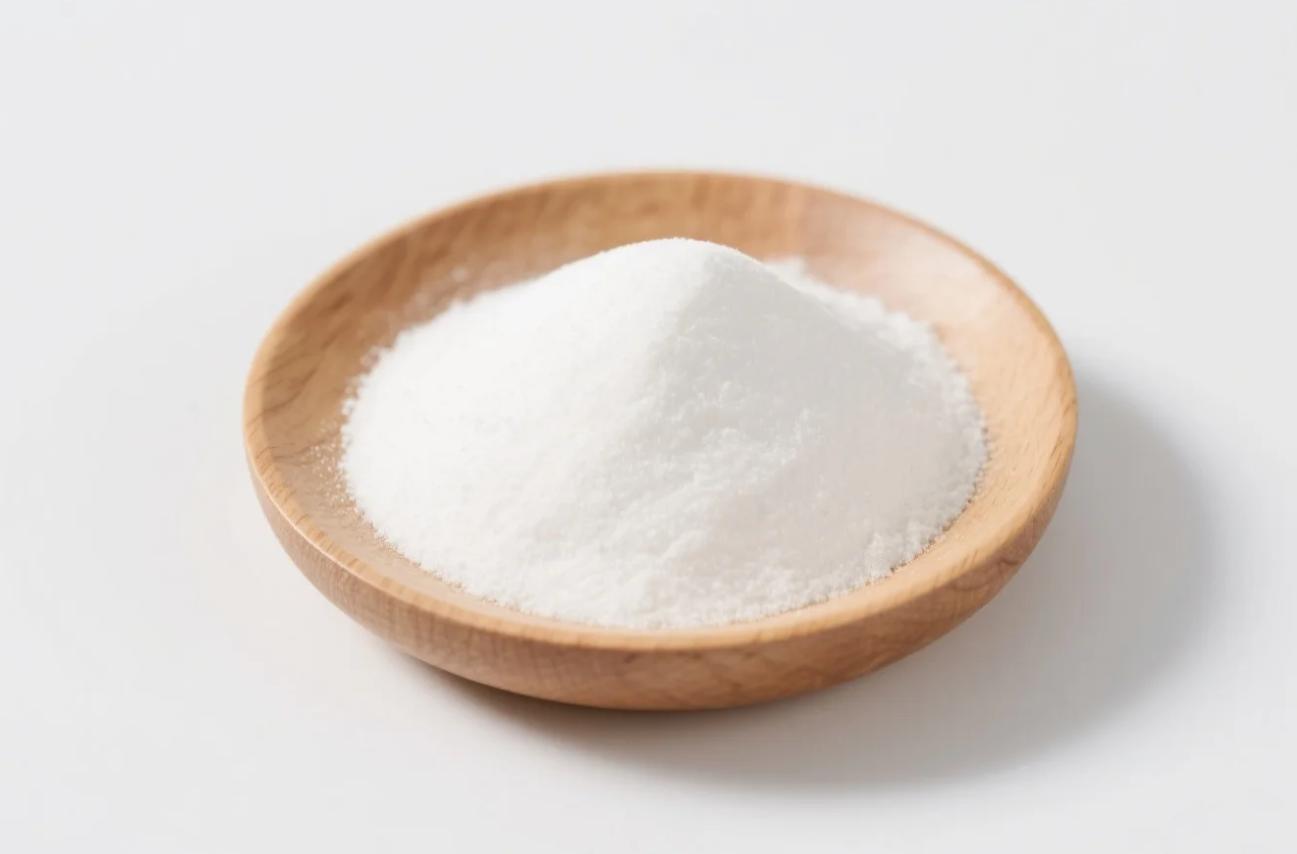
Polvo de maltodextrina orgánico
Disponible en tres grados de Equivalente de Dextrosa (DE) — DE 8-10, DE 10-15…
Related Posts


